
Prioritizing Your Child’s Eye Health
Your child’s eyesight plays a key role in their overall development — from learning and reading to playing and socializing. At Van Buren Optical, we’re here to support families in keeping their kids’ vision sharp and healthy. While we do not provide care for children under 7 years old, we’re happy to help you connect with a trusted pediatric eye doctor who specializes in younger children’s visual needs and development.
Ready to schedule? Book an appointment today!
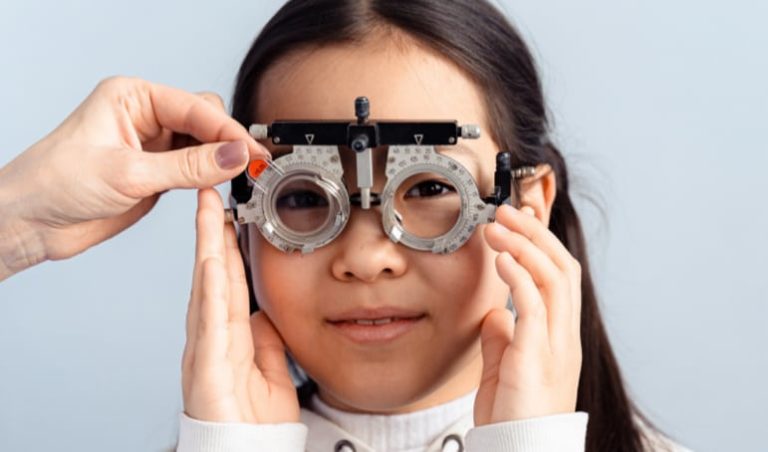
Recommended Eye Exam Schedule
The American Optometric Association suggests regular eye checkups at different stages of childhood:
-
6–12 months: First comprehensive exam to set a visual baseline
-
3–5 years: Another full check before school entry
-
Annually once school begins: Ongoing yearly exams through adolescence
Regular eye exams help identify vision issues early, supporting academic success and confident participation in activities.
Why Good Vision Matters
If vision problems go unnoticed, kids may struggle with learning, behavior, or social interaction, and might even be mistaken for having non-visual challenges such as attention issues.
How Sight Develops
Here are some general milestones as your child’s vision matures:
- Birth to 4 months: Improved focus on close objects and faces
- 5 to 8 months: Detection of depth and color vision begins
- 9 to 12 months: Better judgment of distances and object recognition
- 1 to 2 years: Increased hand-eye coordination and spatial awareness
Encouraging play that involves tracking, reaching, and interacting with varied objects can support healthy visual development.
Signs Your Child May Need Glasses
Children may not always tell you they’re having trouble seeing — because they assume their vision is normal. Some subtle signs include:
- Trouble focusing or following along while reading
- Frequent eye rubbing
- Squinting or tilting the head while looking at objects
- Complaints of tired eyes during tasks
Conditions such as amblyopia (lazy eye) or strabismus (eye turn) don’t always present obvious symptoms but can affect visual development if not treated. A comprehensive exam helps uncover these issues and determine the best next steps.